
Juneteenth & Charleston

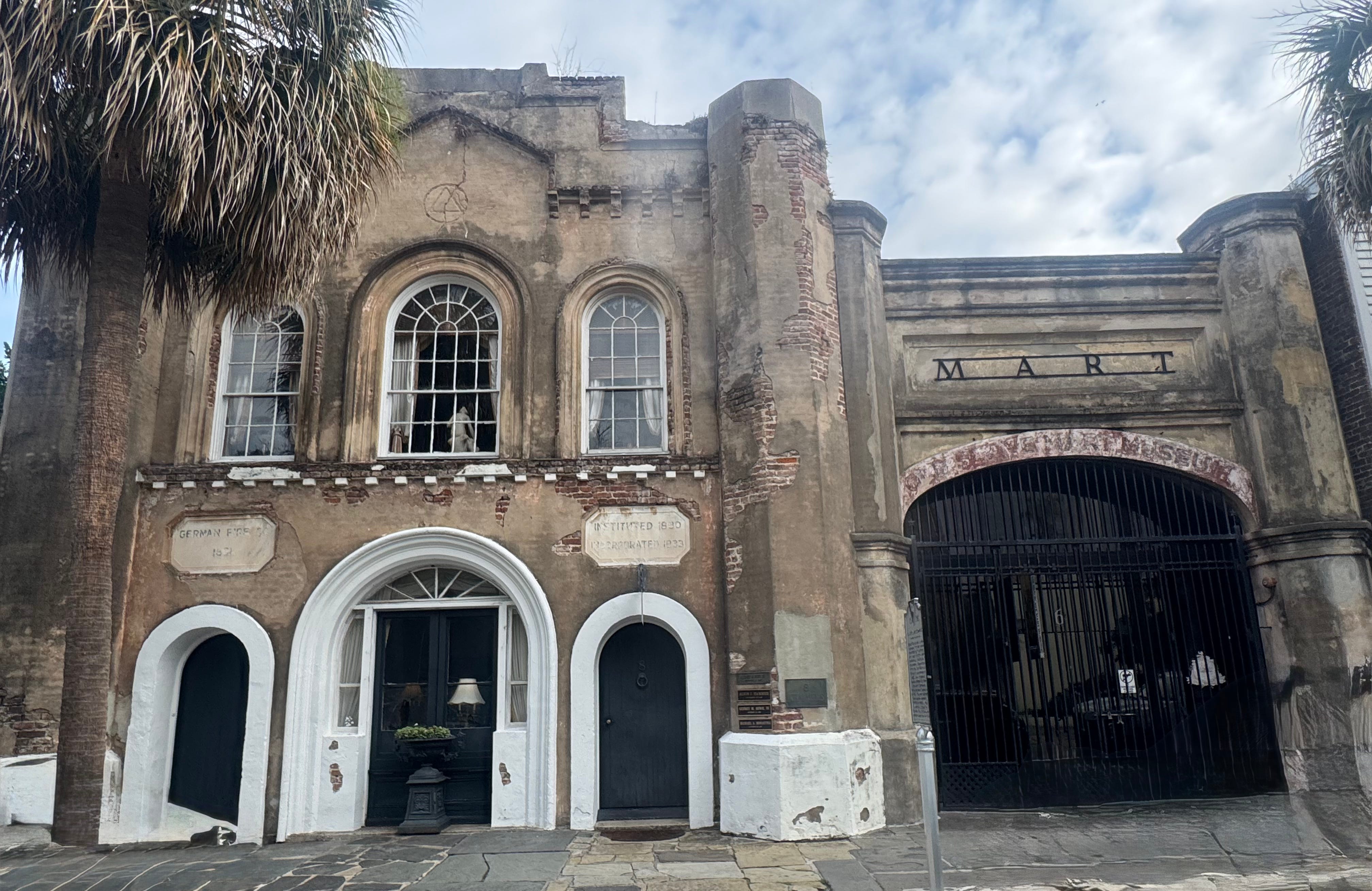
I flew to Charleston, South Carolina, on Juneteenth National Independence Day. I came for work, but also wanted to visit the Old Slave Mart Museum. It’s ironic that the biggest slave trading city in the states has become one of the best sources of education about worldwide slavery.
Juneteenth marks a critical moment in our U.S. history. Union soldiers marched into Galveston, Texas, on June 19, 1865, to enforce President Abraham Lincoln’s proclamation to free the slaves. Back then, Charleston was one of the richest cities in the world because of the skills of enslaved African Americans on the rice plantations in the Carolinas.
Last Saturday, I visited Charleston’s Slave Mart Museum when it opened and the place filled up quickly. I asked the staff whether many visitors attended on Freedom Day as Juneteenth is often called. The answer was a resounding yes: it was packed. Part of the exhibit highlights how successful fugitives tended to be more educated, how they published books, poetry and newspapers. Many of them learned to read and write well enough to forge the documents they needed to escape.
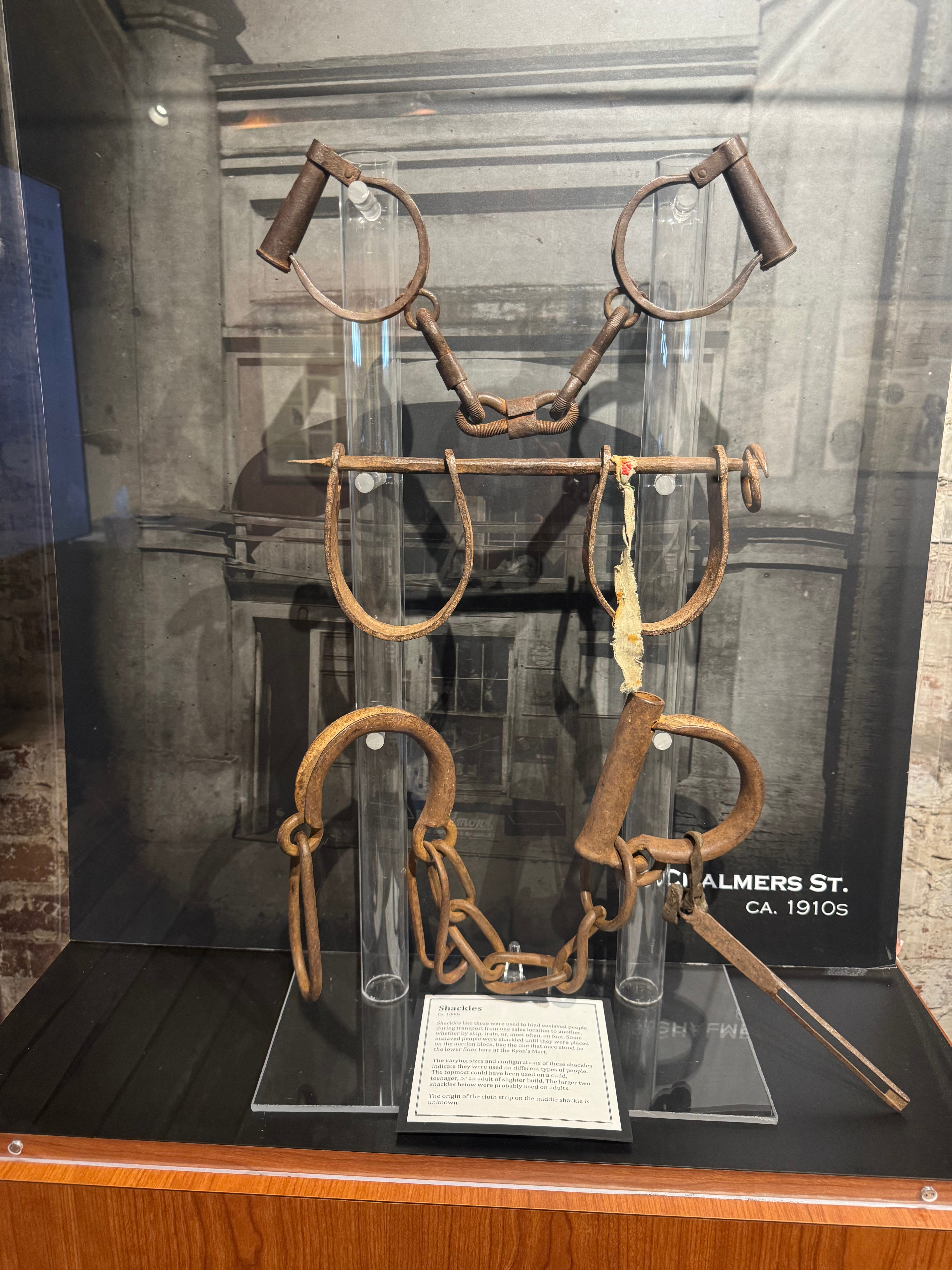
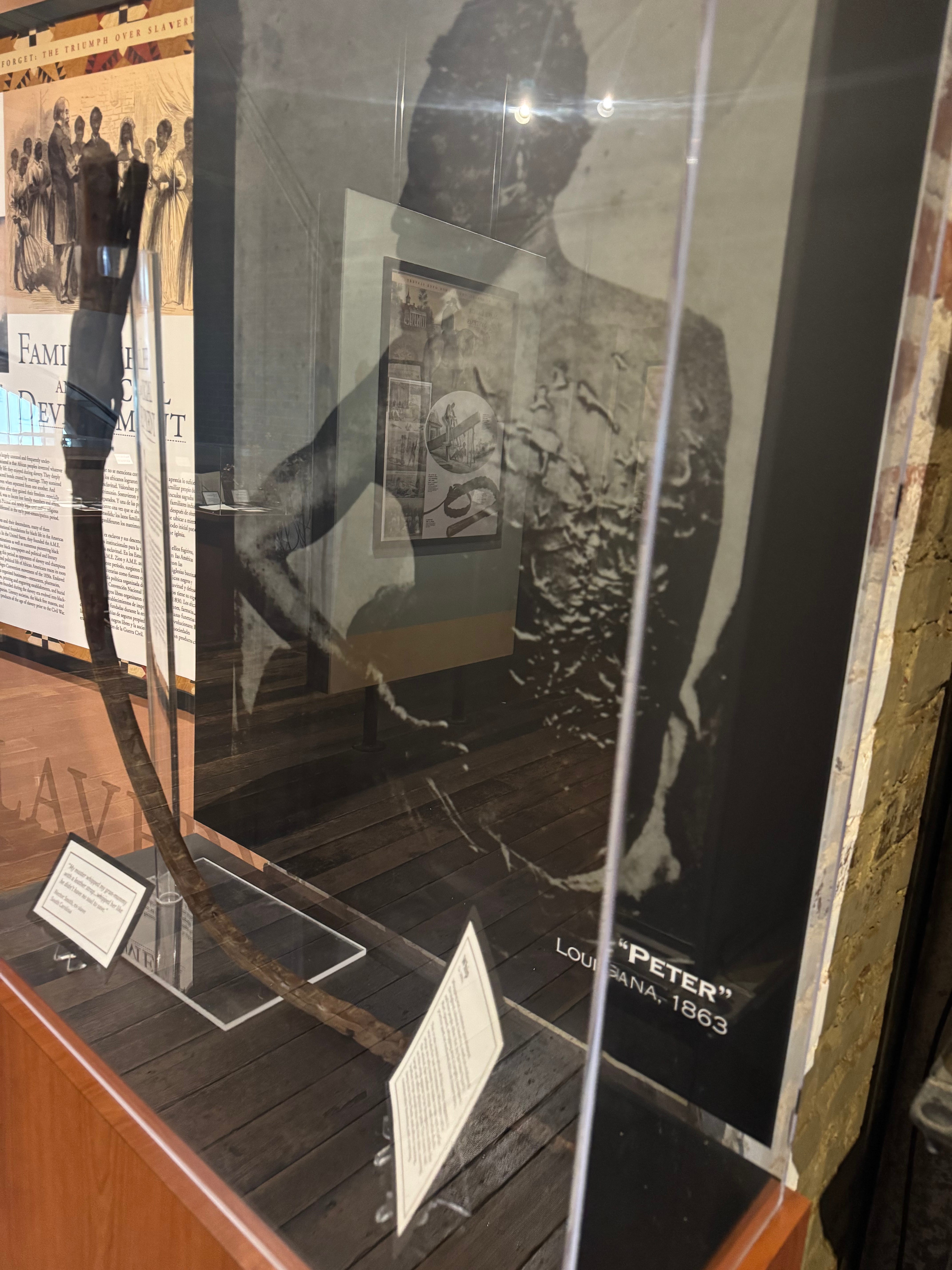
On display were the shackles, brands and whips that left brutal marks on slaves. Maya Angelou is also quoted: “History, despite its wrenching pain, cannot be unlived, but if faced with courage, need not be lived again.” When the city outlawed the sale of slaves on the streets back in 1856, the Slave Mart opened along with several other locations in the area. The business of buying and selling slaves continued for seven more years. Inside the museum walls, there was a jail, a slave pen, a kitchen, and a morgue.
In 1863, Lincoln’s Emancipation Proclamation Act freed slaves in the southern states that were part of the Confederacy, but enforcement was necessary. The Civil War shut down the Slave Mart in Charleston in 1863, but trading in slaves continued in other locations around the city until soldiers evacuated all slaves two years later. It wasn’t until Congress ratified the 13th Amendment (in December 1865), that slavery officially ended throughout the country. Five years ago, Juneteenth became a federal holiday.
In 1938, Miriam B. Wilson, daughter of a decorated Union soldier, bought the Old Slave Mart and turned it into the country’s first African American arts and crafts museum. She named it the Old Slave Mart Museum to honor its grave history. Wilson operated the museum on a shoestring until her death in 1959. It stayed in private hands, continuing as a crafts museum, then closed in 1987. The city of Charleston bought the building. With help from the South Carolina African American Heritage Commission, Charleston transformed the Mart into a slave history museum that opened its door in 2006. It was the first of its kind in the country.
On placards through the two-story museum, the bleak history of slavery unfolds. About 9.5 million enslaved people were brought from western Africa, north of Namibia: Angola, the Congo, Cameroon, Nigeria, and Sierra Leone. Beginning in the 1400s, there were 50,000 voyages across the Atlantic spanning several hundred years. Nearly twenty percent of the Africans transported in the holds of these ships died or committed suicide on the voyage. Those who survived were delivered to South America (about 50 percent), mostly to Brazil for the production of sugar. Slaves were also sold throughout the Caribbean, Cuba, and America.
About the same number of slaves that went to Barbados came to the states. Tobacco farmers in Virginia and Maryland, rice farmers in the Carolinas, and cotton throughout the south (after the Revolutionary War) were the staples that slaves produced. Roughly forty percent of all African slaves that arrived in the United States disembarked at Charleston’s Gadsden’s Wharf. On my last trip to Charleston, a park ranger guiding a ferry ride out to Fort Sumter (where the Civil War began) talked about the significance of the wharf. He emphasized how Charleston cannot hide from its history.
Juneteenth has evolved into a celebration for African Americans. Family gatherings, community events, singing and prayer are all part of it. James Weldon Johnson’s Lift Every Voice and Sing is considered the unofficial national anthem for the descendants of enslaved people. Red-colored food reminds celebrants of the blood shed during the centuries of their ancestral enslavement.
Amid the gruesome tale of how slavery unfolded, the museum also highlights the positive strides that were made along the way. Of all the cities along the eastern seaboard, Charleston established the first school for blacks in 1695. New York City opened their school in 1704. And the New York African Free School, established in 1787, trained some of the 19th century’s main black leaders. Lincoln University, the first black college, was founded in 1854. Two decades after the Civil War, a network of black colleges had proliferated for the first generation of free men and women.
The Old Slave Mart Museum was a heartbreaking experience, but one that I will never forget. It brought me closer to understanding the meaning behind Juneteenth National Independence Day and the importance of never forgetting.
Well done Linda!!!🩷
This is a fantastic writing ! Museums and history are so important.