
The Great Divide

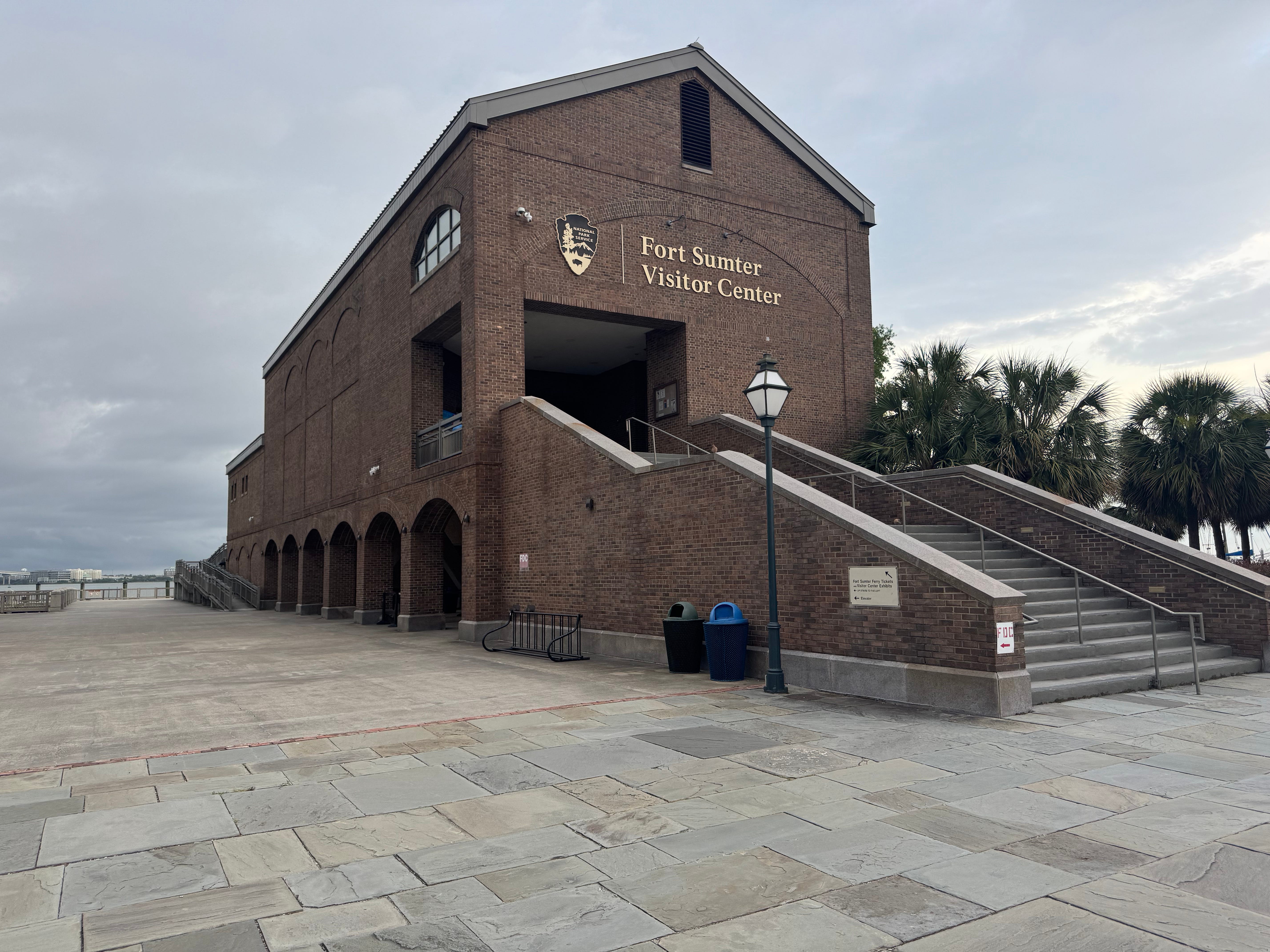
At the mouth of the Charleston Harbor is a national monument worth visiting. Fort Sumter is at the epicenter of Erik Larson’s latest historical nonfiction, The Demon of Unrest. Newly elected President Lincoln, whose disdain for slavery is well known among southerners, inspires locals to take action.
Major Robert Anderson (a Unionist) is the hero of Larson’s tale. A keen observer of the post-election conflict, Anderson decides to protect Fort Sumter at all cost, moving his 85-man garrison to the fort in late December 1860, six days after South Carolina secedes from the Federal Union. Southern states accuse northerners of failing to enforce the Federal Fugitive Slave Act. Antislavery organizations are thriving up north with no signs of a shut down. Lincoln’s win is simply too much of a threat to the south’s way of life.
In Larson’s book, one of the leaders in the Confederate ranks is Edmund Ruffin, who allegedly took the first shot at the fort after a four-month standoff with Unionists. He travels around the south to rile up others in favor of secession. Six weeks after South Carolina secedes, five other states follow suit, including Mississippi, Alabama, Georgia, Louisiana, and Florida. Southerners create a provisional government, the Confederate States of America, and elect Jefferson Davis as their president. In March, Texas joins the group. Confederates seize nearly all federal forts and navy yards in these seven southern states with the exception of Fort Sumter, still occupied by Anderson and his troops.
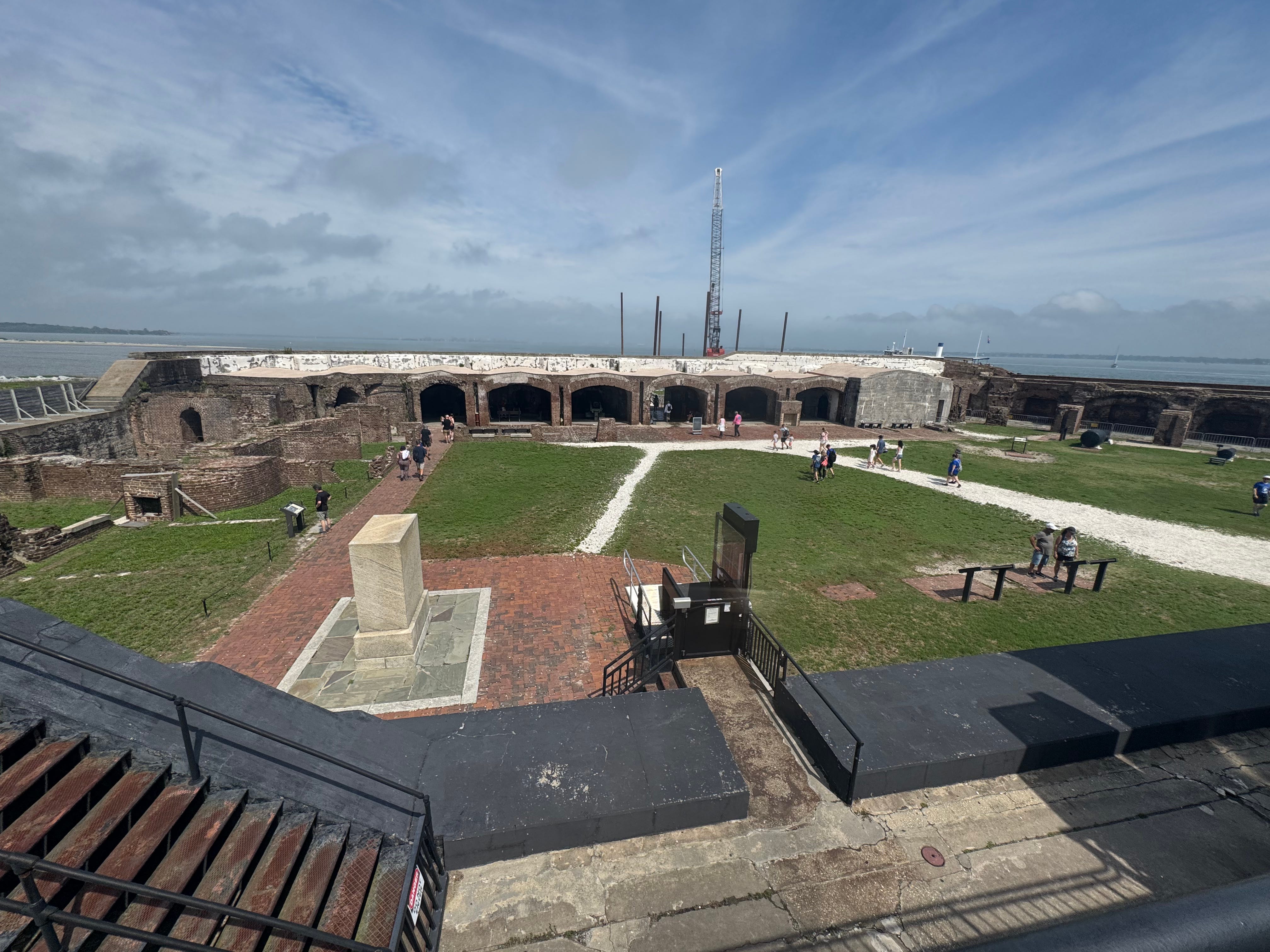
Confederate soldiers demand the Unionists evacuate the fort. When Anderson refuses, southerners take up positions in nearby forts and begin blasting Fort Sumter’s fortifications. The officer quarters burn down, the gorge walls sustain damage, and the main gates are obliterated. Two days later, the Unionists finally evacuate, boarding a ship bound for New York. The dreaded Civil War has begun. Over the next four years, an estimated three-quarters of a million Americans die.
After reading Larson’s book, I visited Fort Sumter on a recent work trip to Charleston. I’m a huge fan of Larson’s history books because they read like thrillers and the events are meticulously researched. I wanted to see the place for myself. The fort is now a skeleton of its former self. Reduced to rubble during the war, its rebuild superficially matches what was. With its strategic location, I understand why the fort played such a key role in the beginning of the war. It has the advantage of protecting the harbor from all incoming ships.
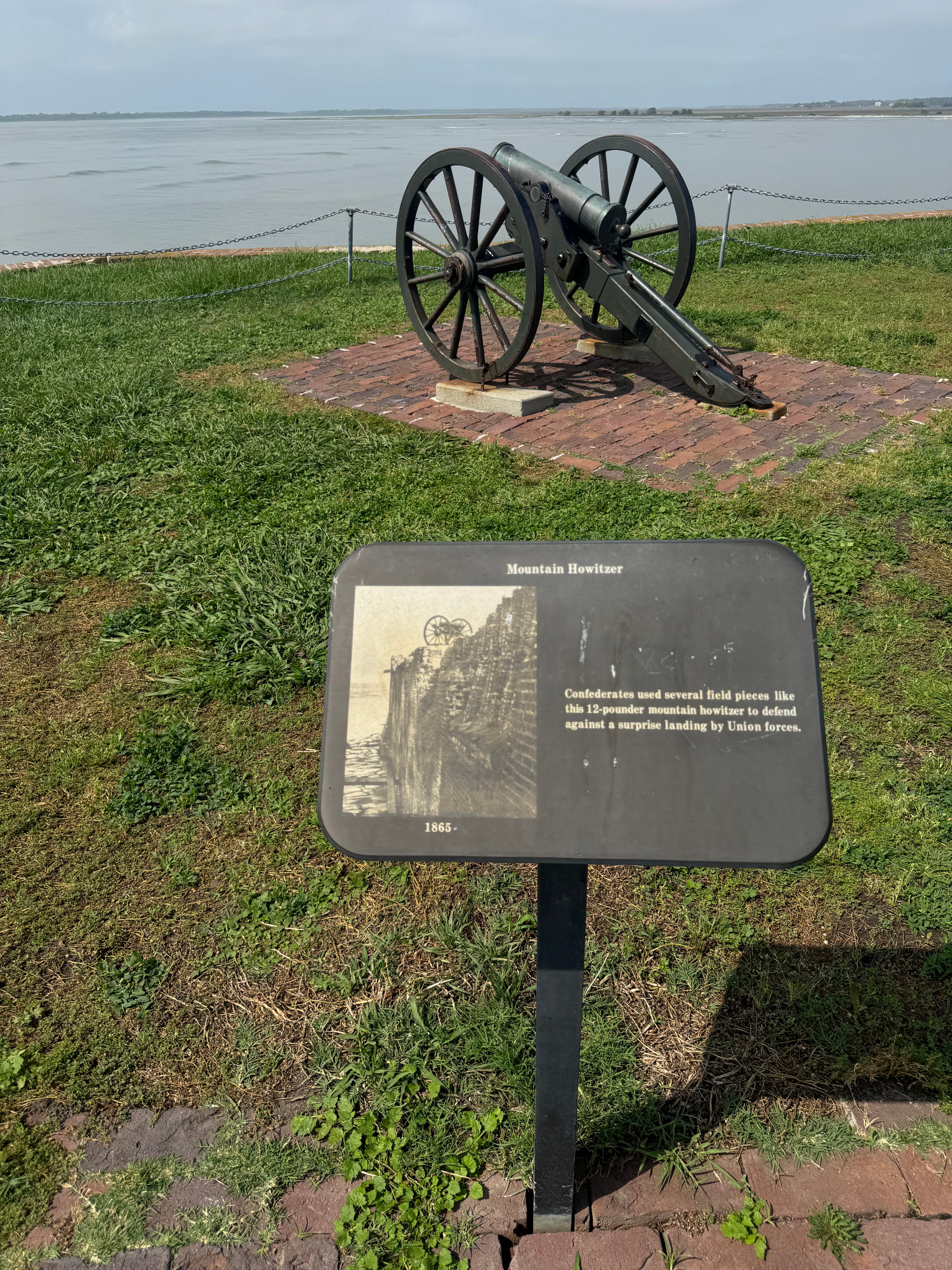
Three ferry rides per day provide access from the pier at the Fort Sumter Visitor Center most months of the year. It’s a pleasant half-hour passage to the island while a park ranger talks about South Carolina’s slave history. Porpoises swim by. Pelicans fly in formation low over the water oblivious to the tourists listening to the country’s fractured history. Upon disembarking, I wander the grounds, reading multiple placards that detail the fort’s history where the drama unfolded. There is a light weight mountain howitzer perched on the bluff, the kind used by Confederates against the Unionists during the war. Several cannons are also on display around the property.
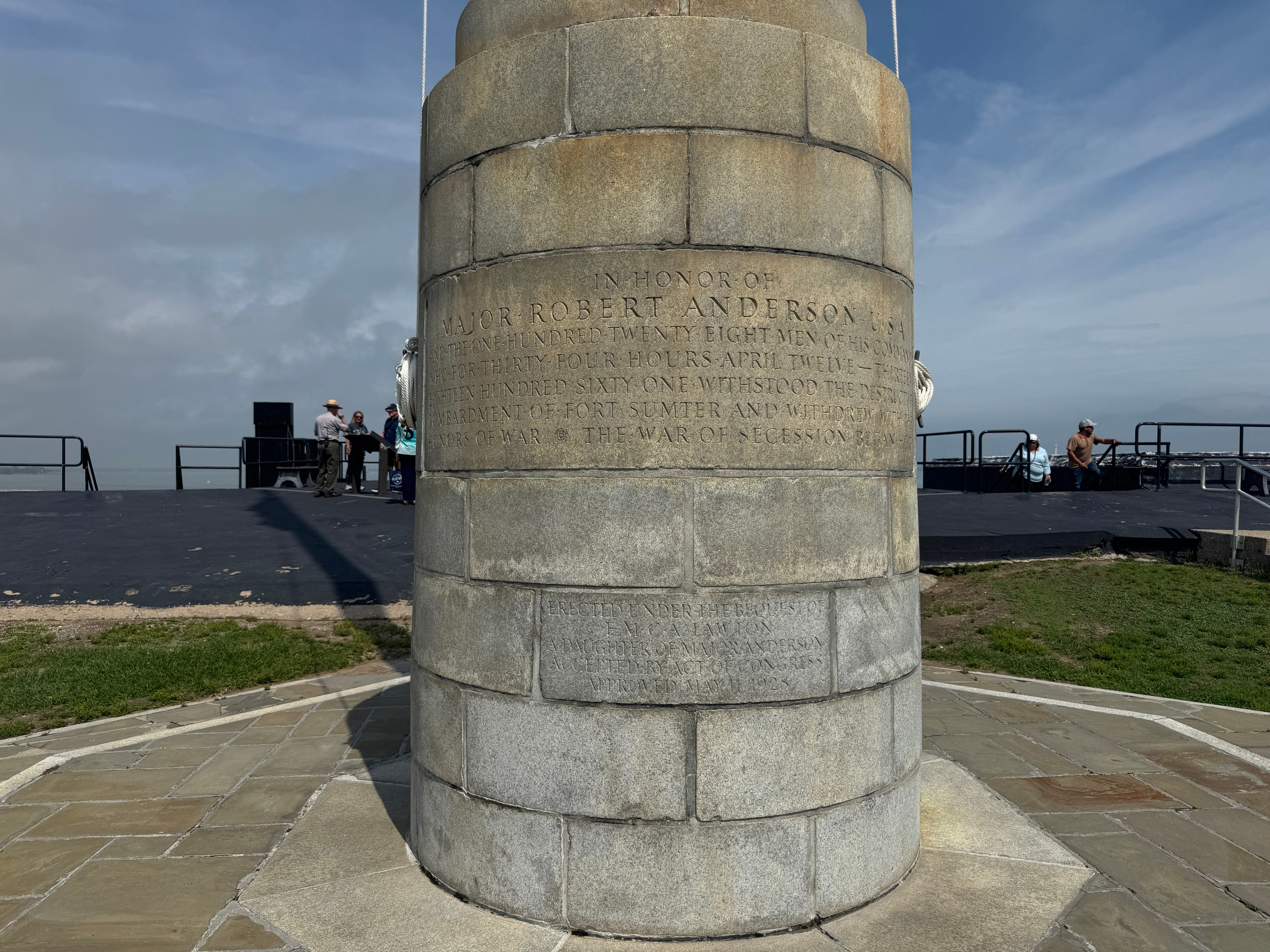
A monument erected in memory of Union defenders stands boldly at the base of the flag pole nearby. There is also a plaque that honors the Confederate defenders of the fort, erected by the United Daughters of the Confederacy’s Charleston chapter. I found it interesting that both sides of the conflict are honored here.
After visiting Fort Sumter, I read James by Percival Everett, a retelling of Mark Twain’s book, The Adventures of Huckleberry Finn. The story is told from the point of view of Jim, an enslaved man. Jim and Huck are on the run when the Civil War breaks out. Soldiers march southward as the two attempt to escape their captors. Jim is unconvinced that making it to the north will solve his problems. His hope is to find his wife and daughter, recently sold to a farm many miles away.
Everett’s novel explores themes of racial identity and the power of language during fraught times. Like reading Erik Larson’s latest saga, James is worth a read. It helped round out my Civil War themed month. Both books remind me that our country has always been divided and that helps me keep things in perspective.

I loved James. One of the best books I’ve read this year!
Linda--Brad and I lived in Charleston in the late 80's to early 90's and I love that you are bringing your perceptive eye to Fort Sumter. I've recently finished James (and thought it was brilliant), and now I look forward to the Erik Larson (an author I am passionate about, but a book I was unaware of). Thanks!